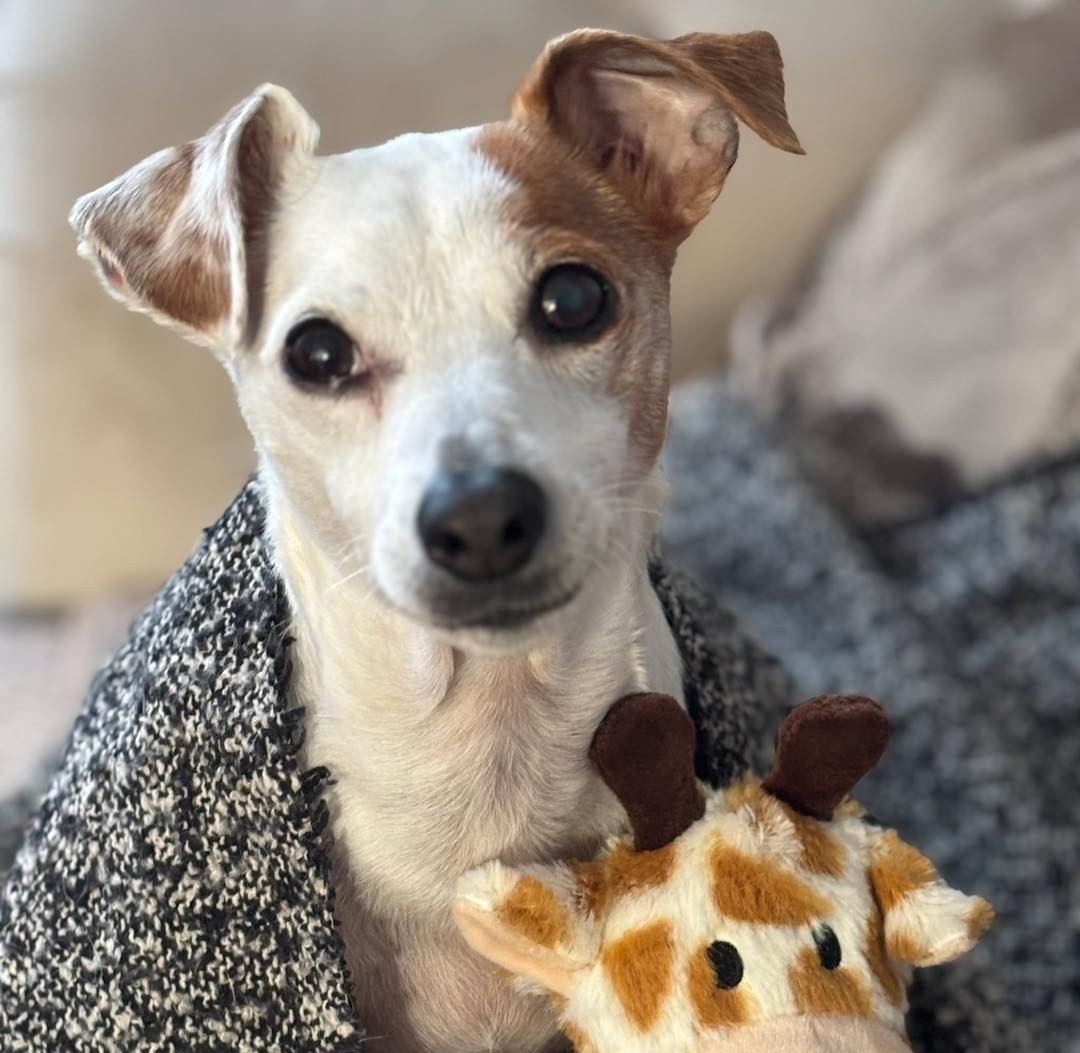
Keeping Your Pet Healthy
Established over 100 years ago, Blythman & Partners is one of the region’s leading veterinary practices with eight branches throughout Tyne and Wear.
As one of a limited number of recognised Veterinary Nurse Training Centres, as well as a Royal College of Veterinary Surgeons accredited practice, Blythman & Partners offers the best in animal care.
Blythman and Partners offer a wide range of health checkups to ensure that your pet remains happy, healthy, and in top condition.
Best of all, some of these checks are available free of charge, please speak to a member of our team for more details.
If you’re welcoming a furry friend to the family, our free new pet checks can give you peace of mind and your pet a clean bill of health. We also hold free nursing clinics, providing tips and techniques on how to best care for your animals.
For those pets who have had to undergo surgery, we also offer free post-operative checkups, making sure that your pet is well and truly on the mend.
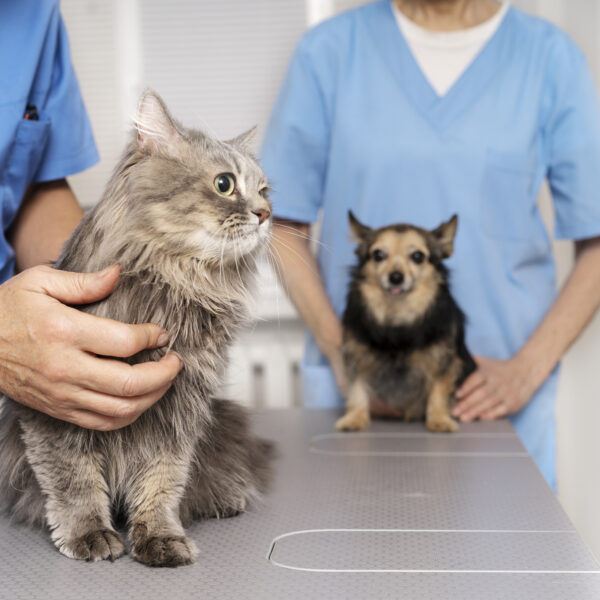
Keep your pet protected from a range of diseases and ailments through Blythman & Partners’ vaccination service.
We also provide a reminder service, so your pet will never miss a vaccination again! Please phone the practice if you change your contact details!
Vaccinations help protect from many infectious diseases and at Blythman and Partners, we’ll tell you when your pet’s annual vaccination is due.
All of our Wellness Plans include annual booster vaccinations and offers are available for new puppies and kittens joining the Wellness Plan for their first vaccination.
In the UK it is recommended that all dogs are vaccinated against four strains of leptospirosis, distemper, hepatitis and parvovirus. To provide optimum protection against these diseases we offer the following vaccination schedule using Canigen Vaccines (LEPTO4 & DHP);
- A primary vaccination course is advised for all puppies. They should receive their first vaccine from 6 weeks of age, followed by a second booster vaccine 28 days later. The second vaccine cannot be given prior to 10 weeks of age, so we always advise accurate dates of birth when booking these first vaccines. There is a two-week period following this vaccination before optimum immunity is achieved. We recommend your puppy does not go on the ground in public places or socialise with dogs of unknown vaccination status until that time period has passed.
- This primary vaccination course is administered via combined vaccine protecting against leptospirosis, distemper, hepatitis and parvovirus.
- This same schedule of primary vaccinations is applicable for any unvaccinated or lapsed adult dogs; this is to provide them with the appropriate initial immunity before moving onto annual boosters.
- Following on from a primary vaccination course, an annual booster vaccination against leptospirosis is provided and every third year this is given in combination with a booster vaccination against distemper, hepatitis and parvovirus.
- If your dog’s annual booster vaccines lapse by 15 months they will need to re-start with a primary vaccination course.
- An annual kennel cough vaccination, which is administered via an intranasal spray, protects against Bordetella and Parainfluenza, which are contagious airborne diseases that can result in upper respiratory symptoms which often require medical treatment. This is not just a requirement for boarding kennels; we recommend it for all dogs who mix amongst other dogs. If your dog is going into boarding kennels, they must have this vaccine at least 2 weeks before the first day of their stay.
- If you or someone in your household is immunosuppressed this live kennel cough vaccine is not suitable, however we do have an injectable alternative which protects against Bordetella. For this option of kennel cough vaccination, if your dog has never had a kennel cough vaccine before or they have lapsed by 15 months, they will need a primary vaccine followed by a second injection 4 weeks later.
Cat Vaccines
In the UK it is recommended that all cats are vaccinated against feline rhinotracheitis virus, feline calicivirus (commonly known as cat flu), feline panleucopenia virus and feline leukaemia virus. To provide optimum protection against these diseases we offer the following vaccination schedule using Canigen Vaccines (FELV/RCP);
- A primary vaccine course is advised for all kittens. They should receive their first vaccine from 9 weeks of age, followed by a second booster vaccine 3 weeks later. There is a 3-4 weeks period following this vaccination before optimum immunity is achieved, we recommend your kitten does no go outside or socialise with cats of unknown vaccine status until after this period has passed. If you intend for your kitten to be outdoors, we also strongly recommend waiting until they have been neutered, which can be done from approximately 6 months of age.
- This primary vaccination course is administered via combined vaccine protecting against feline rhinotracheitis virus, feline calicivirus, feline panleucopaenia virus and feline leukaemia virus.
- This same schedule of primary vaccinations is applicable for any unvaccinated or lapsed adult cats; this is to provide them with the appropriate initial immunity before moving onto annual boosters.
- Following on from a primary vaccination course, an annual booster vaccination against feline rhinotracheitis virus, feline calicivirus and feline panleucopaenia virus is provided and every third year this is given in combination with a booster vaccination against feline leukaemia virus.
- If your cat’s annual booster vaccines lapse by 15 months they will need to re-start with a primary vaccination course.
- Indoor cat vaccines are also available; they follow the same schedule for primary and annual vaccinations but do not contain the feline leukaemia virus component. Indoor vaccines are only advisable if your cat will always remain strictly indoors, not visit any boarding/cattery facilities and will not have direct contact with any other cats of unknown vaccination or health status.
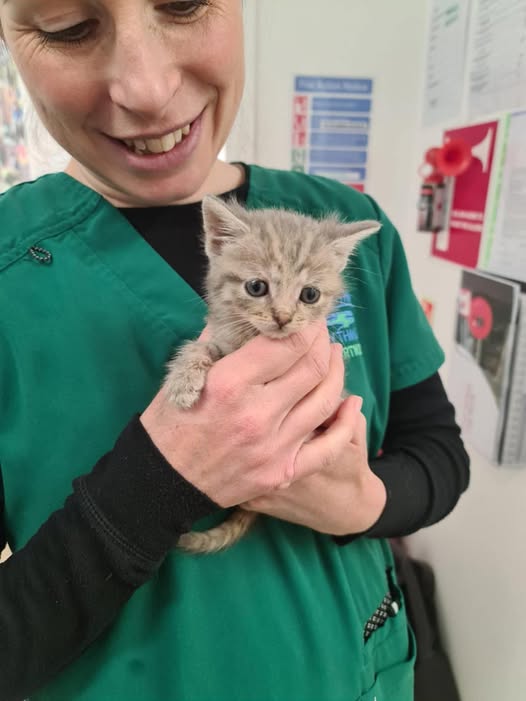
Vaccinating your rabbit
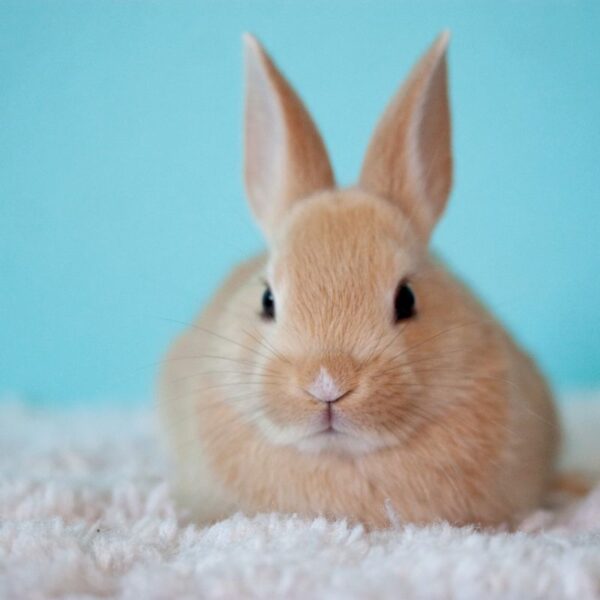
Rabbits receive a combined annual vaccination against Myxomatosis and Viral Haemorrhagic disease (VHD) and VHD2 with the first injection being given from 5 weeks old.
For more details please contact the Gosforth Surgery on 0191 2841711.
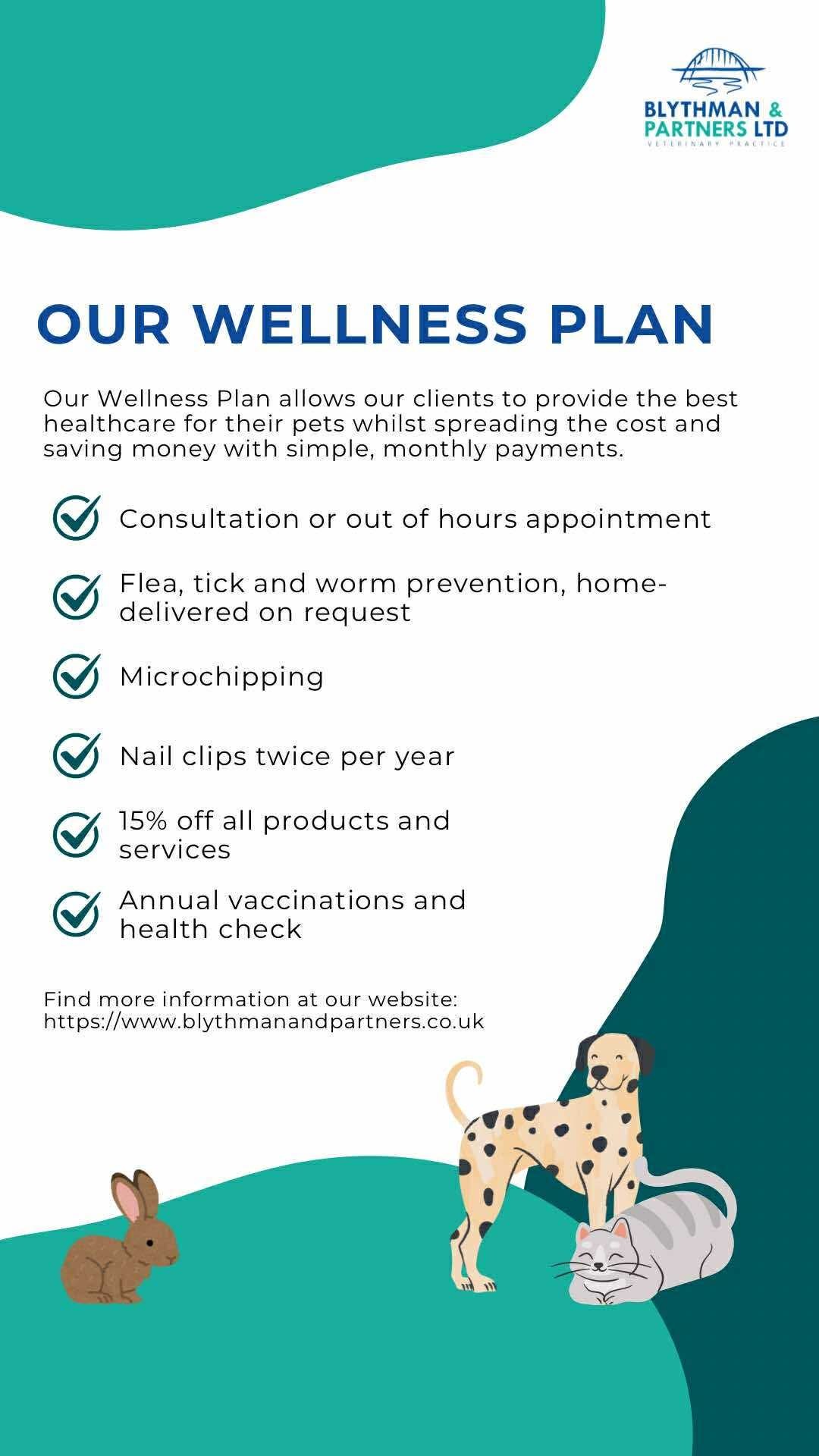
Our practice health care plan can help spread the cost of all your pets preventative health care and has many benefits including:
- second vaccinations
- annual booster vaccinations
- kennel cough vaccinations
- parasite prevention
- nail clipping
- microchipping
- a 15% discount on all goods and services
- a free consultation to be used at a time of your choosing once a year.
Please see our helpful guides on puppy & kitten socialisation and top training tips to help during these early stages with your new companion.
It is essential to regularly check for fleas, ticks, and worms on pets due to several reasons.
First and foremost, these parasites can cause significant health issues for both animals and humans. Fleas can transmit diseases like cat scratch fever, tapeworm infection, and flea allergy dermatitis, while ticks can transmit Lyme disease, Rocky Mountain spotted fever, and other tick-borne illnesses. Timely detection and prevention of fleas and ticks are crucial to safeguard the well-being of pets and prevent the spread of such diseases.
Additionally, flea infestations can quickly escalate and spread to other areas of the home, making it challenging to eradicate them.
Therefore, routine inspections and preventative measures such as using flea, tick & worm preventatives are necessary to ensure the health and comfort of pets and their owners
At Blythmans and Partners, we offer fleas, ticks, and worm treatment personalised for your pet. We recommend joining our popular wellness plan as this is included in the package.
For more information, CLICK HERE
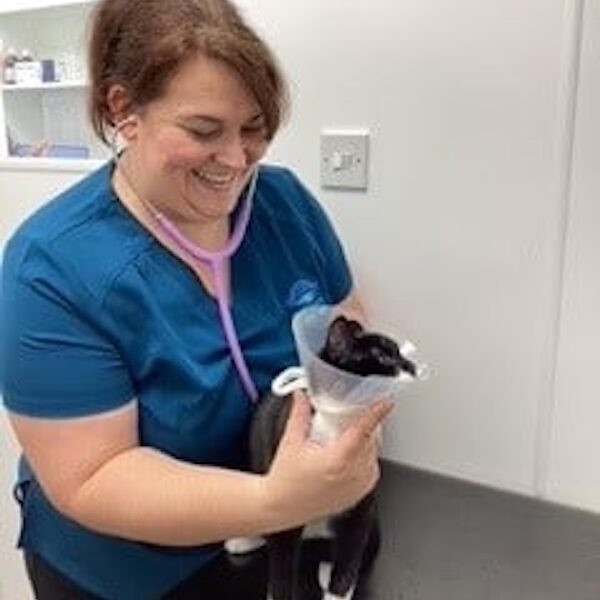
Neutering can help remove the risk of various tumours and diseases including feline AIDS and prostatic disease in dogs. It can also reduce unwanted matings, unpleasant behaviours, fighting and urine marking. Female pets are spayed, while male pets are castrated.
What does neutering involve?
When your pet is neutered they will come in as a day patient. The procedure is carried out under general anaesthetic and usually, they go home later that same day.
Neutering your cat
We recommend that your pet cat is spayed or castrated from 5-6 months of age.
Neutering your dog
Pet dogs should be spayed or castrated from 6 months of age and for females ideally before their first season. If your pet has already started to have seasons or you have a large dog breed, then for advice on the best time to book your pet in.
If your dog is castrated, there is less risk of testicular tumours and prostatic disease as well as reduced aggressive behaviour. In females, spaying removes the risk of womb infection (pyometra), and unwanted matings and helps to reduce the risk of urine marking and mammary cancers.
Neutering your rabbit
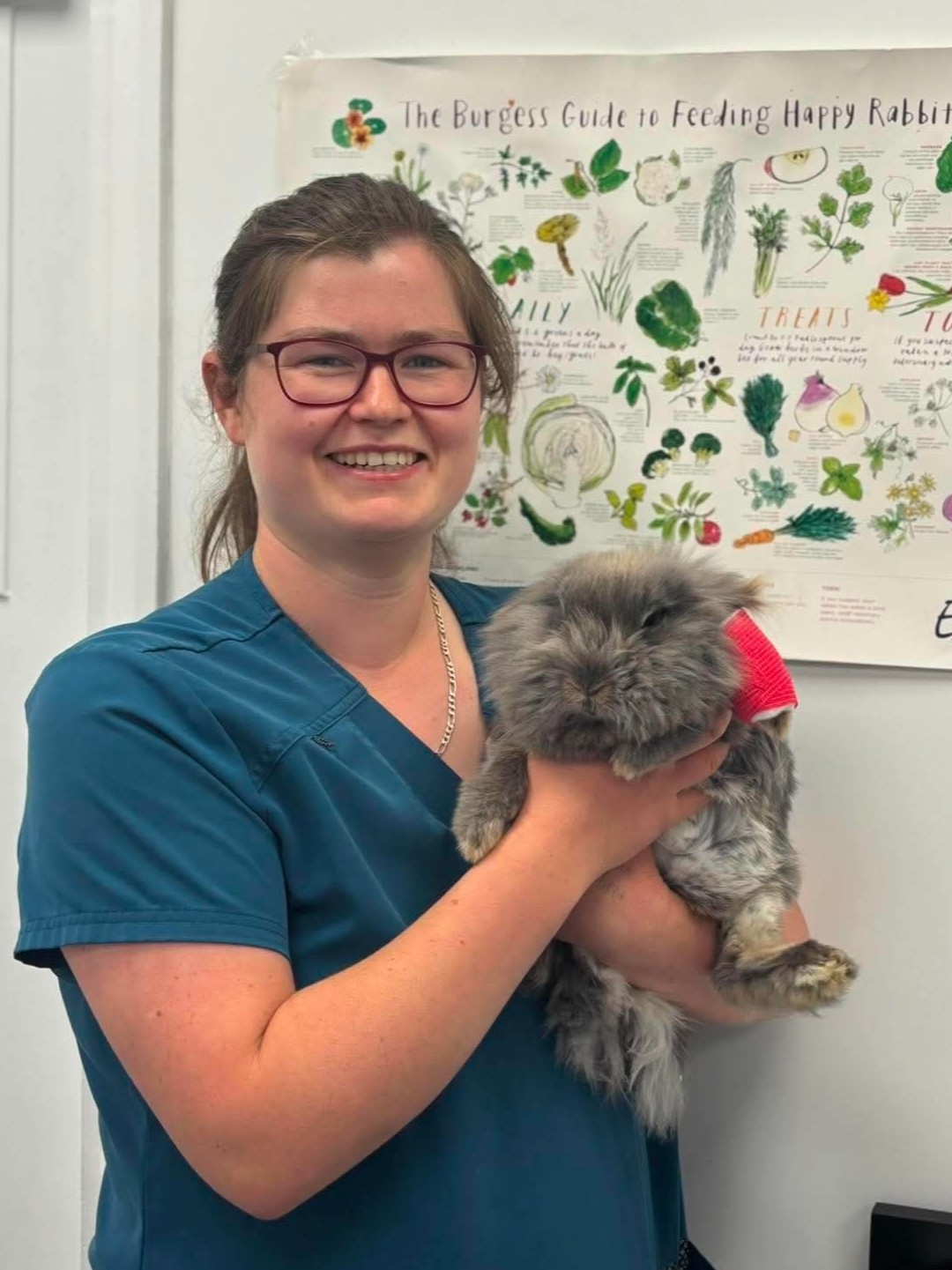
At Blythman and Partners, we advise that your male pet rabbit is castrated around 3 months of age, while females should be spayed around 4 months of age. This will prevent unwanted matings and reduce the risk of aggression linked to hormones.
Members of our Wellness Plan receive 15% discount off all products and services!
Ensuring that your pet has a healthy diet and maintains an appropriate weight is crucial for their overall well-being and longevity.
To achieve this, consult with Blythman and Partners to receive guidance on your pet’s specific dietary needs based on their age, breed, size, and health condition.
Top tips are:
- to choose high-quality, balanced, and complete pet food suitable for their life stage and species.
- Control portion sizes according to feeding guidelines, adjusting as needed for activity levels.
- Limit treats, opting for healthier options, and provide regular exercise tailored to your pet’s age and breed.
- Monitor weight and body condition, seeking veterinary advice if unsure.
- Avoid feeding human food that may lead to weight gain or nutritional imbalances.
By following these steps, you can ensure your pet’s diet promotes good health and prevents weight issues.
We offer our clients free weight clinics with a Veterinary nurse!
Any questions or concerns, we are more than happy to advise how to get your pet back to a healthy weight.
Blythman and Partners offer a variety of services to keep your pets’ mouth, teeth and gums healthy.
Our treatments can help prevent periodontal disease in your dog, cat or rabbit, while professional polishing and extraction is available across our eight regional branches. Periodontal disease is a very common, preventable disease in dogs, cats and rabbits.
We provide free dental checkups at all of our branches to assess your pets oral hygiene status, offer advice or recommend treatment.
We can offer professional dental cleaning, polishing and tooth extraction at all of our branches.
The Gosforth hospital also has specialist equipment to take dental radiographs prior to dental procedures, aiding assessment, treatment and identifying abnormalities of the oral cavity that may otherwise go undetected.
Members of our Wellness Plan receive 15% discount off all products and services!
Home Visits are available at an additional cost for our registered clients when booked by prior appointment Monday – Friday, 12 -3pm. If your pet needs to be seen quickly then it is preferable to bring your pet to the surgery where we have access to all our facilities.
Please contact the surgery to discuss further.